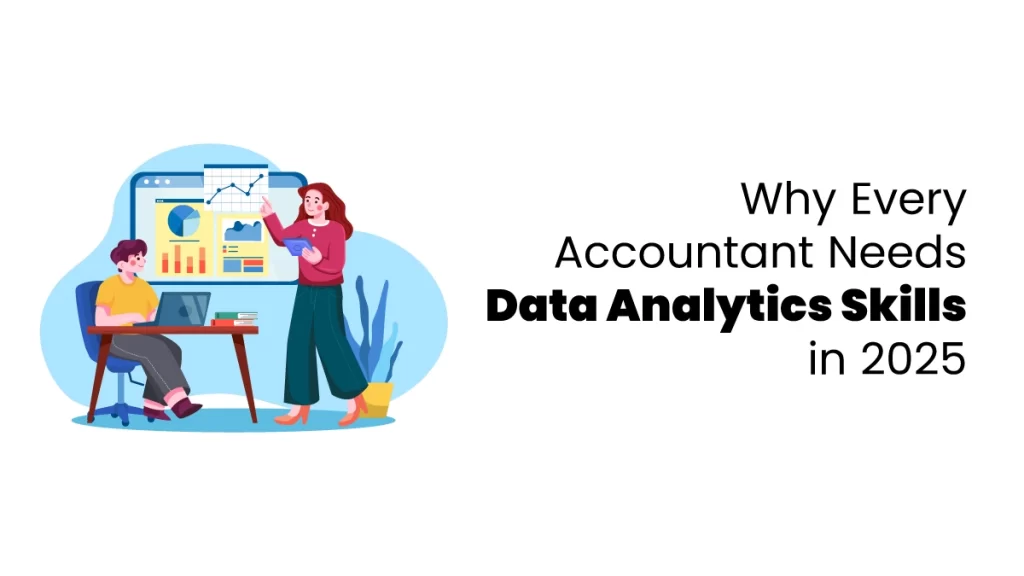
Walk into any finance department in 2025 and you’ll notice it doesn’t look—or feel—like the accounting offices of the past. The calculators and stacks of paper are long gone, and while spreadsheets remain, they’re no longer the star of the show. They’re more like background actors. What employers actually want now isn’t just clean numbers. They want answers.
They want to know why sales slowed in one region but grew in another. They want to see risks before they hit. They want finance teams to connect numbers to strategy. And that’s where data analytics skills for accountants come in.
The New Reality of Accounting
The old picture of accountants—quietly closing the books in the back office—is outdated. These days, accountants are being pulled into bigger conversations: how to drive growth, how to cut costs without killing innovation, and how to compete in a market that moves faster every year. That shift didn’t happen overnight. Automation, cloud software, and globalization have all chipped away at routine accounting work. Invoices, reconciliations, and compliance tasks can already be handled by machines. What can’t be automated is judgment—the ability to look at a data set and figure out what it really means.
Without that skill set, accountants risk being seen as record keepers instead of strategic partners. And in today’s workplace, being “just” a record keeper is dangerous.
You might be asking: why all the urgency around 2025? Haven’t we been talking about automation and data for years? Yes, but here’s the thing—2025 marks a tipping point. Automation tools are reaching maturity. Generative AI is starting to draft reports and crunch complex numbers. Businesses are investing heavily in platforms that do in seconds what used to take humans hours.
That means the value accountants bring has to change. The job market for accountants is already making that clear: recruiters want professionals who can go beyond compliance and add insight. In other words, you don’t just prepare the financials—you explain what they mean and what should happen next.
Analytics as the Key to Career Growth
Let’s be real: everyone cares about progress. Titles, promotions, pay bumps—it’s all part of the deal. And in accounting, the ladder is shifting. Think about accounting career growth for a second. The professionals rising faster are the ones who can walk into a leadership meeting and answer questions like:
- What’s driving our margins down?
- Which markets are underperforming, and why?
- Where are we at risk if interest rates rise again?
The answers don’t come from a spreadsheet alone. They come from analytics. Tools that show trends, spot anomalies, and allow accountants to translate data into strategy. It’s no surprise that firms are prioritizing candidates who can use business intelligence tools and visualization software. Being able to connect dots others can’t see makes you stand out.
The Future of Accounting Is Tech-Heavy
The changing face of accounting is deeply tied to technology. Finance isn’t just about reporting the past anymore—it’s about shaping the future. Companies are embedding analytics into everything: forecasting revenue, managing risk, and even planning workforce needs.
Oddly enough, this doesn’t mean accountants are becoming less important. It means the opposite. The accountant who understands data tools isn’t just “closing the books.” They’re driving conversations at the strategy table.
But the catch? You need to invest in learning these skills now. Otherwise, the train leaves without you.
What Analytics Actually Changes in the Job
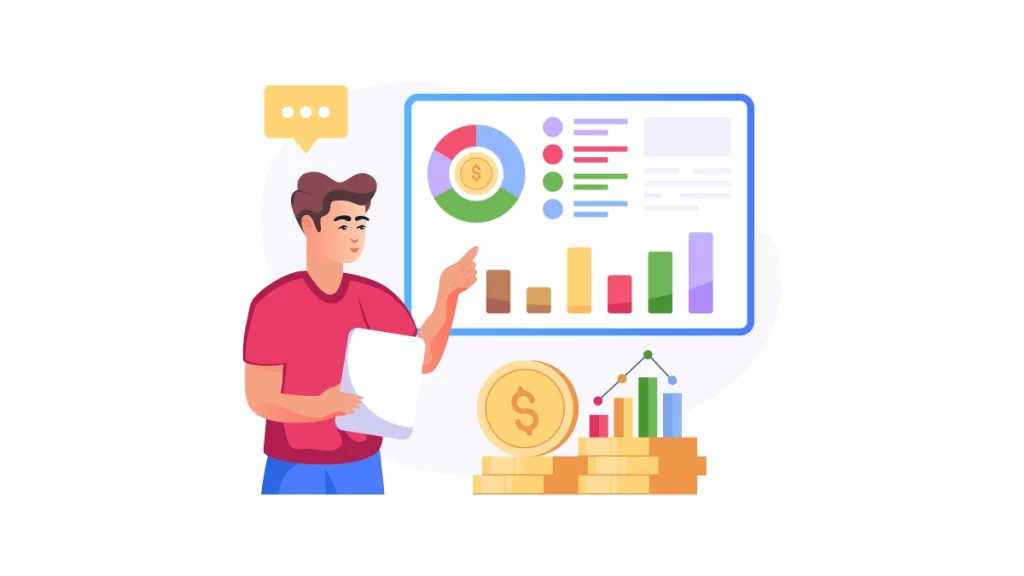
It’s easy to talk big-picture, but what does this shift look like day-to-day? Here’s how data analytics skills for accountants change the role:
- Revenue drops don’t stay unexplained. With analytics, you don’t just report that revenue dipped—you show the root cause, whether it’s seasonality, competition, or customer churn.
- Forecasting moves from guesswork to evidence. Using past data and external inputs, you can project likely outcomes for the next quarter.
- Audits get smarter. Instead of combing through every transaction, analytics highlights the outliers, saving time and effort.
- Risk management sharpens. Trends and anomalies can flag potential risks early, before they spiral into costly problems.
- Cross-team communication improves. Dashboards and visuals help explain financial insights to non-finance leaders in language they can act on.
Put simply, analytics shifts accountants from “reactive” to “proactive.” And that’s exactly what businesses want.
The Human Side: Why You Still Matter
There’s a fear out there that analytics means fewer accountants. The truth? Not really. Numbers by themselves aren’t the solution. They need interpretation. They need judgment. They need context. There’s a fear out there that analytics means fewer accountants. The truth? Not really. Numbers by themselves aren’t the solution. They need interpretation. They need judgment. They need context.
Analytics actually gives accountants more time for the “human” part of the job: advising, problem-solving, and communicating. In a way, it makes the profession more interesting. Less time stuck in repetitive tasks, more time doing work that influences outcomes.
Upskilling Without Reinventing Yourself
Here’s the good news: building data analytics skills for accountants isn’t about starting from zero. Accountants are already analytical by nature. The skill set is there—it just needs to be extended. That might mean learning how to use new visualization tools, building comfort with dashboards, or understanding basic predictive models. It’s less about becoming a data scientist and more about speaking the language of data fluently.
That kind of upskilling for accountants pays off quickly. You get faster at tasks, more confident in meetings, and more visible to leadership. In an era where visibility often equals opportunity, that’s huge. Enrolling in finance and accounting certification programs can help you stay ahead.
Digital Transformation and New Career Paths
Here’s another angle: digital transformation in finance is expanding what it means to be an accountant.
Finance data is no longer siloed. It’s tied directly to sales metrics, supply chains, and even customer behaviour. This integration means accountants can offer insights that touch every part of the business.
And it’s not just traditional firms hiring. There are new accountant job opportunities in tech, healthcare, logistics, and startups—industries that wouldn’t have thought about accountants as “strategic” players before.
That makes the profession far more flexible than it used to be.
Employers Are Already Signalling the Shift
If you’ve scanned postings for finance jobs 2025, you’ll notice a pattern. Employers aren’t just listing CPA or degree requirements. They’re asking for experience with dashboards, analytics, and the ability to drive data-driven decision making. It’s becoming clear: technical skills alone aren’t enough anymore. Employers want accountants who can interpret, explain, and advise.
And when two resumes look similar on paper, the candidate who can show real examples of using analytics will almost always get the edge.
Stories From the Field
Here’s a quick story I heard from a CFO recently. He said his team had always been good at “closing the books,” but when they started using analytics tools, one junior accountant spotted a small but steady margin decline in a product line. At first, leadership brushed it off. But when she backed her insight with clear visuals and projections, the company realized the issue was tied to rising supplier costs.
That early catch saved the company hundreds of thousands of dollars. And yes—she was promoted soon after. Stories like this aren’t rare. They’re happening everywhere analytics is embraced.
Bottom Line
The future of accounting isn’t about being replaced by tech—it’s about being amplified by it. Analytics gives accountants a chance to move from the back office to the strategy room.
For professionals serious about accounting career growth, the time to act isn’t years away. It’s right now.
Data analytics skills for accountants are more than a nice-to-have—they’re the foundation for staying relevant, competitive, and valued in 2025 and beyond, and specialised accounting courses for professionals can help you build those skills.
FAQs
Q1: What are the top finance and accounting jobs in 2025?
Popular jobs include financial analyst, tax consultant, internal auditor, accountant, and roles with data skills.
Q2: Do I need extra certifications for a good accounting job?
Not always, but certifications like CA, CPA, or CMA can help you get better jobs and higher pay.
Q3: What courses are good for freshers?
Courses like Tally with GST, Advanced Excel, QuickBooks, financial modelling, and payroll basics are helpful.
Q4: How do data skills help in accounting?
They help you understand numbers better, make reports, spot mistakes, and save time by automating tasks.
Q5: Where can I find job-focused finance and accounting courses?
Try platforms like Coursera, Udemy, LinkedIn Learning, edX, and Naukri Learning.
Q6: How do these courses help with jobs?
They teach real skills, improve your resume, and some offer help with job placements.